 Business License

Pros and Cons of Single-Flange and Double-Flange DRS Wheel Blocks
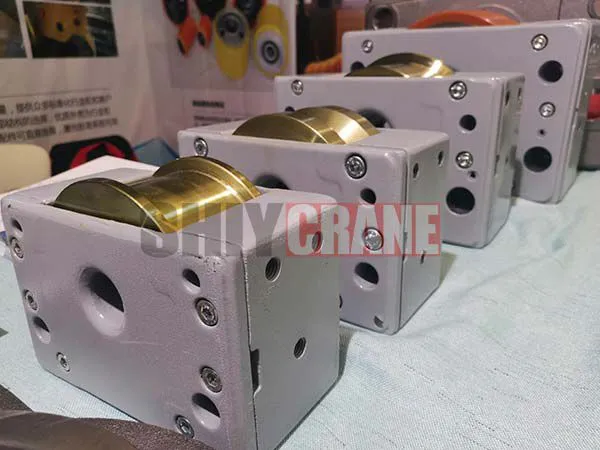
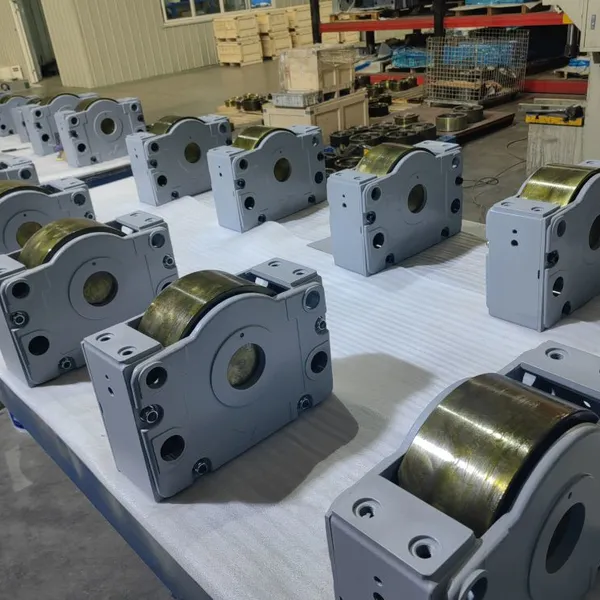
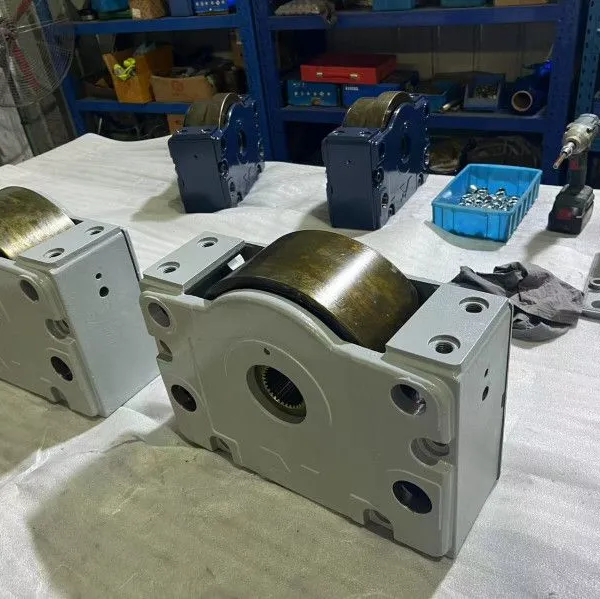
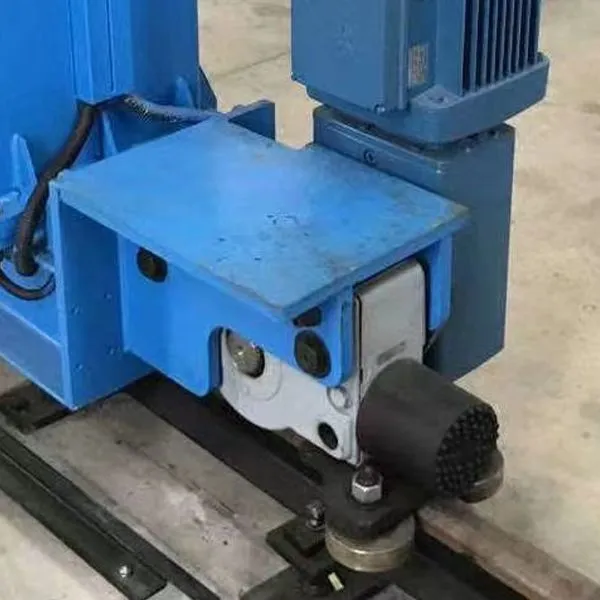
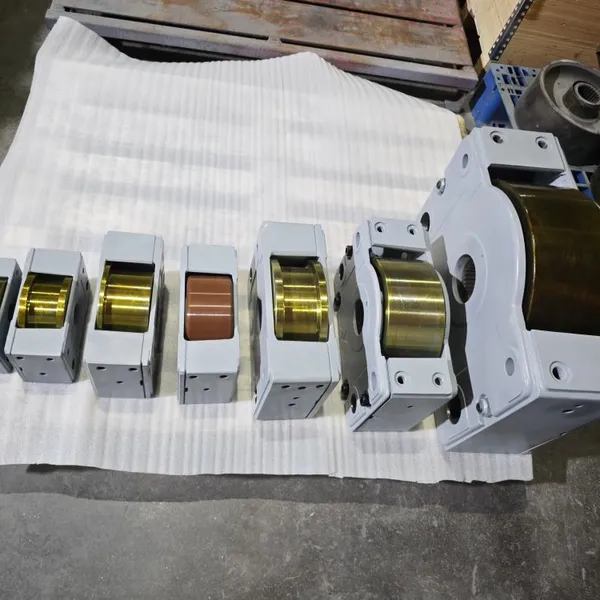
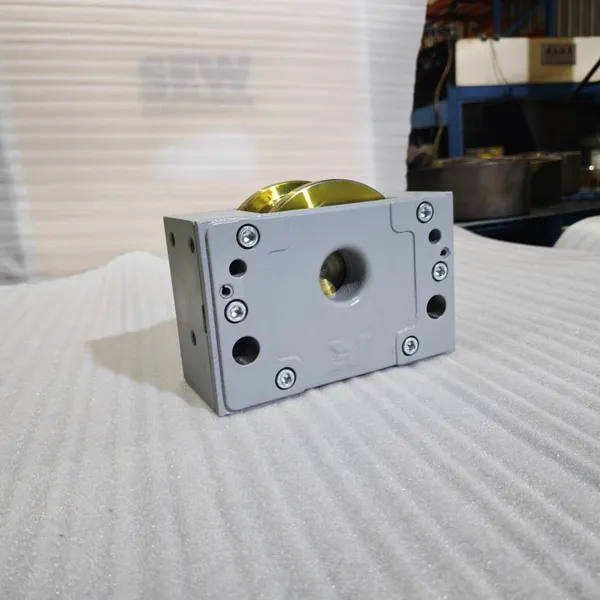
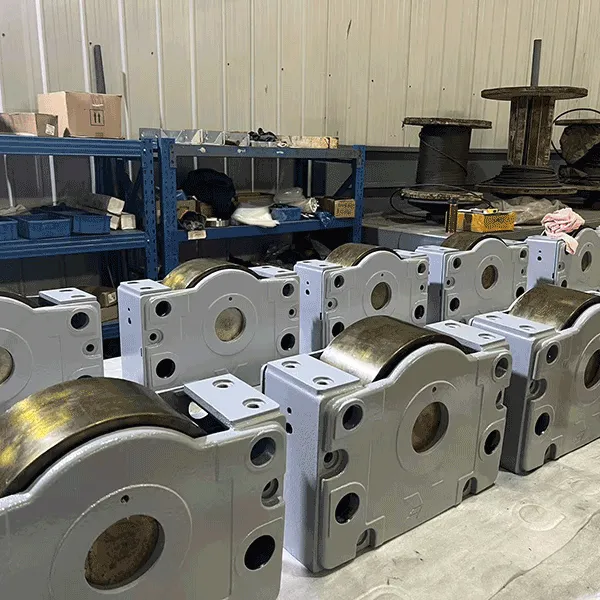
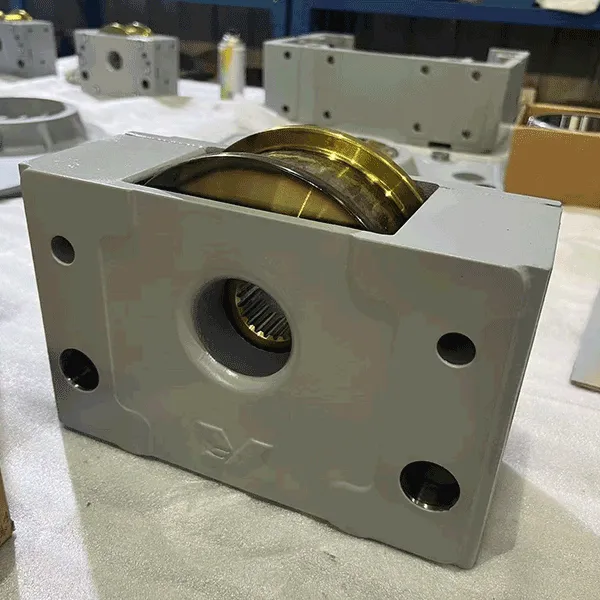
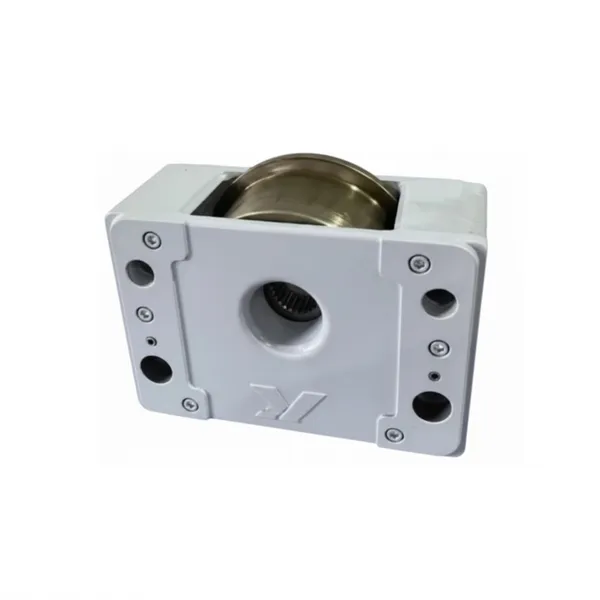
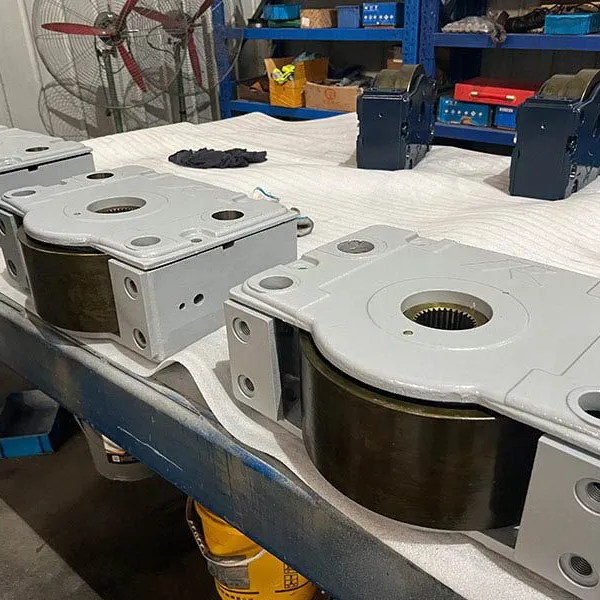
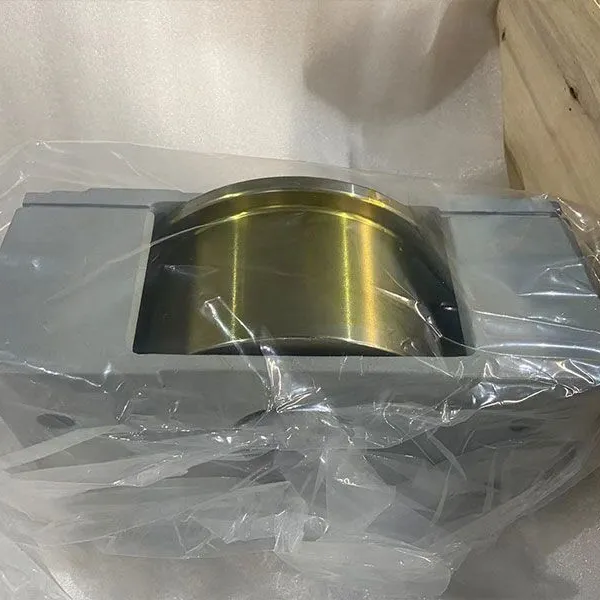
In mechanical equipment such as cranes and stacker cranes, the Demag wheel block is one of the most critical components. The quality of the wheel block directly determines the operational stability and safety of the equipment. The most common types of Demag DRS wheel blocks are single-flange, double-flange, and flangeless models. The following is a brief introduction to the advantages and disadvantages of single-flange and double-flange wheel blocks.
I. Single-Flange Wheel Block
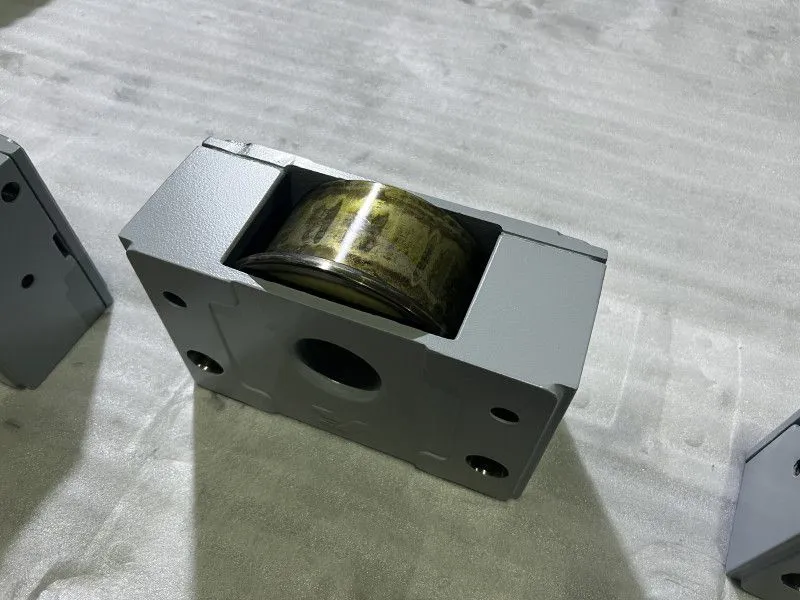
1.Advantages:
Simple Structure: The design of the single-flange wheel block is relatively simple, lacking the complex structure of double-flange models. This makes it more convenient to manufacture and install.
Lower Cost: Due to the simple structure, the manufacturing cost of the single-flange wheel block is relatively low, making it more affordable and suitable for projects with limited budgets.
Suitable for Light-Duty Scenarios: Single-flange wheel blocks are typically suitable for light or medium-load scenarios, meeting the needs of general industrial applications.
2.Disadvantages:
Limited Load Capacity: Compared to double-flange wheel blocks, the load capacity of the single-flange version is weaker, making it unsuitable for heavy-load or high-stress scenarios.
Slightly Poorer Stability: In high-speed operation or under heavy loads, the stability of a single-flange wheel block may not be as good as that of a double-flange model, making it more prone to shaking or misalignment.
II. Double-Flange Wheel Block
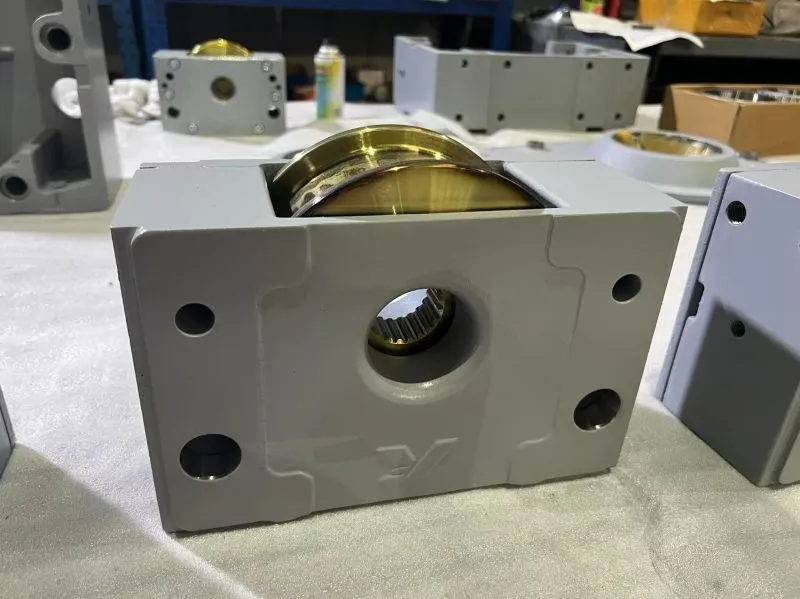
1.Advantages:
Strong Guidance: The double-flange design prevents derailment by contacting the rail with flanges on both sides. It is suitable for complex rail systems or applications requiring high precision (e.g., metallurgical cranes, automated warehouses).
High Load Capacity: Typically made of spheroidal graphite cast iron (GGG70), it offers stronger load capacity. For example, a single wheel block can handle loads up to 40 tons, making it ideal for heavy-load transport.
Operational Stability: The symmetrical structure of the double flange reduces lateral deviation. When combined with a laser alignment system, it ensures precise and smooth travel trajectories.
2. Disadvantages:
Friction and Wear: Continuous contact between the flanges and the rail can lead to increased friction. Long-term use requires attention to wear on both the rail and the flanges, resulting in higher maintenance costs.
Limited Flexibility: The double-flange design has higher requirements for rail flatness and is less adaptable to curved tracks or complex terrains, potentially requiring additional guiding devices.
III. Summary
Demag single-flange and double-flange wheel blocks each have their own advantages and disadvantages. The choice between them depends on the specific application scenario and requirements. If the project budget is limited and the load requirements are not high, the single-flange wheel block might be a more economical choice. However, if the application needs to handle heavy loads or high-stress scenarios, or has high requirements for operational stability, then the double-flange wheel block may be more suitable.

Contact Us
Recommended Products
-
 DRS 112/125/160/250/315/400/500mm Wheel Block System for Aluminium Smelter Anode Cleaning, Washing, and Flattening CranesNegotiableMOQ: 3 Units
 -
DRS 112/125/160/200/315/500 Wheel Block System Stacker Crane Applied Customizable ModelsNegotiableMOQ: 2 Units
-
DRS 250 Modular Wheel Block | 16t Load Capacity | GGG 70 Cast Iron HousingNegotiableMOQ: 5 Units
-
DRS 125-NA-A-47-K-X-X Wheel Block SystemNegotiableMOQ: 2 Units
-
Customizable Models DRS 112/125/160/200/315/500mm Wheel Block System Overhead Crane PartsNegotiableMOQ: 1 Unit
-
DRS Wheel Block System 112/125/160/250/315/400/500mm Bridge Crane Wheels Eot Crane WheelNegotiableMOQ: 1 Unit
-
DRS 200/250mm Motorised/Electric Wheel Block System for Warehouse Stacker Cranes ManufacturerNegotiableMOQ: 2 Units
-
DRS -160-NA-A-65-K-X-X Modular Wheel Block System Spheroidal Cast Iron WheelNegotiableMOQ: 1 Unit
-
Demag Type Polyamide DRS 112-500mm Wheel Block System With Double Flanged Spheroidal Cast Iron WheelNegotiableMOQ: 2 Units
-
Modular Flangless Demag Crane Driven Wheels Block Sverige Drs Wheel;dia 112-500mm,drvn AssyNegotiableMOQ: 2 Units
-
DRS Wheel Drive System Crane Wheel 112-160mm Crane End Carriage Wheel Block Crane End TruckNegotiableMOQ: 1 Unit
-
DRS 125mm-500mm Wheel Block With Gear Motor End Carriage for Bridge Crane 5-20 Ton Crane Wheel ManufacturerNegotiableMOQ: 1 Unit
-
DRS 250-NA-A-47-K-X-X Wheel Block System Applied Crane/Stacker Crane With SEW Gear BoxNegotiableMOQ: 1 Unit
-
DRS 112 Stacker Crane Wheel Block System Manufacturer In ChinaNegotiableMOQ: 1 Unit
-
DRS 112/125/160/200/315/500 Wheel Block System Overhead Crane Applied Customizable ModelsNegotiableMOQ: 1 Unit
-
Double-Flange DRS 250-A65-BO-K-X-X-A50 Driven Wheel Applied CraneNegotiableMOQ: 1 Unit
-
Heavy Duty Double Flange DRS Wheel Block SystemNegotiableMOQ: 1 Unit
-
DRS-125-A45-D-65-K-X-A30 Wheel Block System Custom DimensionsNegotiableMOQ: 1 Unit
-
DRS-160-A45-B-0-18B-H-A30 Wheel Block SystemNegotiableMOQ: 1 Unit
-
High Speed DRS Wheel Block System Applied AGVs&RGVsNegotiableMOQ: 1 Unit